
Circumcision Training Course in London
Beverley Clinic provides an intensive 2-day one-to-one circumcision training programme for doctors and appropriately qualified healthcare professionals who want to develop their knowledge and practical understanding of circumcision.
The programme combines circumcision theory, observation of live surgery, practical training using mannequins, complication management and guidance on establishing a circumcision service.
Because the course is delivered one-to-one, the teaching can be adapted to your existing experience, clinical background and areas you would particularly like to develop.
- 2 days
- One-to-one
- Live surgery
- Practical training
- Completion certificate
Who Is the Course For?
The circumcision training programme is designed for doctors and appropriately qualified healthcare professionals who want structured training in circumcision.
It may be suitable for clinicians who:
- Are new to circumcision
- Have some previous circumcision experience
- Want to improve their technique
- Want greater exposure to different circumcision methods
- Want to improve their understanding of complications
- Want to learn about circumcision across different age groups
- Are considering establishing or developing a circumcision service
Before confirming training, we will ask about your professional qualifications, current role and previous circumcision experience so that the programme can be appropriately tailored.
Why One-to-One Circumcision Training?
This is a bespoke one-to-one programme, rather than a large classroom course.
This allows teaching to focus on your individual learning needs and provides more opportunity for discussion, questions and practical instruction.
The two days combine four main areas:
Circumcision Theory & Patient Assessment
Understand the anatomy, patient assessment, local anaesthesia, indications, contraindications and important abnormalities that should be recognised before circumcision.
Live Circumcision Observation
Observe live circumcision procedures performed in the clinic, with step-by-step explanation of the procedure and clinical decision-making.
Practical Circumcision Training
Practise circumcision techniques, instrument handling and suturing using training mannequins.
Setting Up a Circumcision Service
Learn about the practical requirements involved in establishing and operating a circumcision service, including staffing, documentation, equipment, suppliers, indemnity and emergency arrangements.
Day 1 – Foundations, Plastibell & Complications
The first day concentrates on core circumcision theory, patient assessment, Plastibell circumcision and complication management.
Core Theory & Patient Assessment
Topics include:
- Penile anatomy
- Nerve supply
- Blood supply
- Local anaesthetic
- Anatomical variations
- Penis size and shape
- Variations in skin distribution
- Indications for circumcision
- Contraindications to circumcision
- Patient selection and assessment
Particular attention is given to recognising abnormalities that may alter whether or how circumcision should be performed.
These include:
- Hypospadias
- Chordee
- Bifid glans
- Hooded or incomplete foreskin
- Buried or concealed penis
Recognising these findings before beginning a circumcision is an important part of safe clinical practice.
Plastibell Circumcision Training
The programme covers the principles and practical steps involved in Plastibell circumcision.
Topics include:
- Indications for Plastibell circumcision
- Selecting the appropriate Plastibell size
- Required instruments
- Preparation
- Step-by-step procedure
- Correct positioning of the device
- Aftercare
- Common parent questions
- Expected healing
- Plastibell separation
- Ring removal where required
The aim is not simply to demonstrate the steps of the procedure, but to explain the clinical reasoning behind them.
Live Circumcision Observation
Where suitable procedures are scheduled, you will have the opportunity to observe live circumcisions.
Procedures are explained step by step, including:
- Patient assessment
- Preparation
- Local anaesthetic
- Instrument selection
- Procedural sequence
- Technique
- Immediate post-procedure assessment
- Aftercare
The exact live cases available depend on the patients and procedures scheduled during the training dates and their clinical suitability for teaching.
Practical Training
You will have practical training using circumcision mannequins and instruments.
This provides an opportunity to practise:
- Plastibell technique
- Device selection
- Instrument handling
- Procedural sequencing
- Hand positioning
- Suturing
- Technique-related questions
One-to-one teaching allows practical sessions to be adapted according to your previous experience and progress.
Circumcision Complications
An important part of Day 1 is understanding how complications occur and how they may be prevented or managed.
Training includes:
Bleeding
Understanding potential causes of bleeding, prevention and approaches to management.
Excessive Skin Removal
How excessive skin removal can occur and the importance of appropriate assessment and technique.
Insufficient Skin Removal
Recognising situations where too little skin has been removed and the possible consequences.
Constriction & Scarring
Understanding circumferential scarring and constriction following circumcision.
Buried Penis
Recognising buried or concealed penis and understanding how anatomy affects circumcision planning and the amount of skin that should be removed.
Day 1 concludes with a recap and one-to-one question-and-answer session.
Day 2 – Forceps-Guided Circumcision, Special Cases & Clinic Set-Up
Day 2 develops the principles covered during Day 1 and focuses particularly on forceps-guided circumcision, different age groups, special cases, suturing and establishing a circumcision service.
Forceps-Guided Circumcision Training
The course covers forceps-guided circumcision for:
- Babies
- Children
- Teenagers
- Adults
Teaching includes:
- Indications
- Patient assessment
- Instruments
- Preparation
- Procedural steps
- Skin positioning
- Haemostasis
- Suturing
- Wound management
- Aftercare
- Common patient and parent questions
A freehand circumcision technique may also be discussed and demonstrated during live teaching where appropriate.
Circumcision Styles
Training includes discussion of different circumcision outcomes and the factors that influence them.
This includes:
- High circumcision
- Low circumcision
- Tight circumcision
- Loose circumcision
- Anatomical limitations
- Patient expectations
- Safe skin removal
The emphasis is on understanding how anatomy and technique influence the final result rather than simply applying the same approach to every patient.
Therapeutic & Special Circumcision Cases
The programme also covers clinical considerations when circumcision is being performed because of a foreskin problem.
Topics include:
Phimosis
Assessment and circumcision considerations in patients with a tight or scarred foreskin.
Paraphimosis
Understanding paraphimosis and the considerations surrounding subsequent circumcision.
Balanitis
Circumcision considerations in patients with recurrent inflammation affecting the foreskin and glans.
Re-Circumcision
Assessment and planning where a patient has previously been circumcised and requires revision.
Frenulum Treatment
Assessment of the frenulum and circumstances in which frenulum treatment may be required alongside circumcision.
Live Surgery & Hands-On Training
Day 2 can include further observation of live circumcision procedures, depending on the cases scheduled during the training dates.
Practical mannequin training includes:
- Forceps-guided circumcision
- Instrument handling
- Procedural sequencing
- Suturing techniques
- Wound closure
- Questions about technique and troubleshooting
The one-to-one format allows additional time to be spent on areas where you would particularly like to improve.
Setting Up a Circumcision Clinic
Knowing how to perform a procedure is only one part of providing a circumcision service.
The programme therefore includes practical guidance about establishing and running a circumcision clinic.
Topics include:
Clinic & Staffing
- Clinic requirements
- Recruitment
- Staff roles
- Staff training
- Patient flow
Documentation
Discussion of the documentation required for a circumcision service, including:
- Patient information
- Consent documentation
- Clinical documentation
- Aftercare information
- Templates used within a circumcision service
Equipment & Instruments
Guidance on:
- Circumcision instruments
- Equipment
- Consumables
- Plastibell supplies
- Clinic equipment
- Suppliers
Professional & Emergency Arrangements
Discussion includes:
- Professional indemnity
- Emergency cover
- Appropriate clinical arrangements
- Planning for complications
Developing Your Service
We also discuss practical considerations involved in developing a circumcision service, including clinic organisation and website considerations.
What Is Included in the Training?
The 2-day programme includes:
- One-to-one training
- Circumcision theory
- Penile anatomy
- Patient assessment
- Local anaesthetic
- Recognition of important penile abnormalities
- Plastibell circumcision
- Forceps-guided circumcision
- Overview of freehand circumcision
- Live procedure observation where suitable cases are available
- Practical mannequin training
- Circumcision instruments
- Suturing
- Complication prevention and management
- Buried penis considerations
- Circumcision styles
- Medical and therapeutic circumcision
- Re-circumcision
- Frenulum treatment
- Aftercare
- Patient and parent communication
- Clinic set-up
- Documentation and templates
- Equipment and suppliers
- Indemnity and emergency cover
- One-to-one questions and discussion
- Certificate of completion
What Live Cases Will I See?
Live cases depend on the procedures scheduled during your training dates and whether those cases are clinically appropriate for teaching.
Cases may include circumcision of:
- Babies
- Children
- Teenagers
- Adults
Because patient care and suitability come first, we cannot guarantee that every age group or every type of procedure will be available during a particular course.
Theoretical and mannequin teaching is used to ensure that the programme still covers the core techniques.
Will I Perform Circumcision on Live Patients?
The programme includes observation of live circumcision procedures and practical hands-on training using circumcision mannequins.
Delegates will not be able to perform live surgeries during the course.
The priority is patient safety, appropriate consent and ensuring that any involvement in clinical care is suitable for the individual circumstances.
More Than Learning the Procedure
Circumcision training should involve more than learning how to remove the foreskin.
A clinician also needs to understand:
- Who is suitable for circumcision
- When circumcision should not proceed
- How anatomy affects technique
- How much skin can safely be removed
- How to recognise important abnormalities
- How to achieve haemostasis
- How to manage the wound
- How to recognise and respond to complications
- What aftercare patients and parents require
- How to organise a safe circumcision service
These principles are integrated throughout both days of the programme.
Why Train at Beverley Clinic?
Circumcision is a core part of our clinical work
Circumcision is part of our regular day-to-day clinical practice.
Our experience includes circumcision across different age groups and a range of anatomical and clinical presentations.
Training based on real clinical practice
The course combines theory with live clinical observation and practical training, allowing teaching to be connected to the realities of providing circumcision care.
One-to-one teaching
The programme is delivered individually rather than to a large group.
This allows more time for questions and enables the course to be adapted to your experience and learning objectives.
All-age circumcision experience
Our clinical work includes babies, children, teenagers and adults, allowing the programme to explore how circumcision changes across different age groups.
Practical clinic experience
The course goes beyond surgical technique and includes the practical considerations involved in setting up and operating a circumcision service.
Certificate of Completion
A certificate of completion is provided after completing the 2-day training programme.
The certificate confirms participation in and completion of the course.
Completion of the course does not automatically constitute independent professional accreditation or confirmation that a clinician is competent to practise circumcision independently.
Each clinician remains responsible for ensuring that they practise within their professional scope, competence, registration requirements and indemnity arrangements.
Testimonials from Doctors We Have Trained
Doctors who have completed our circumcision training talk about their experience of the course.
This video could not be loaded. Please try again later, or call the clinic on 020 8951 3794.
This video could not be loaded. Please try again later, or call the clinic on 020 8951 3794.
This video could not be loaded. Please try again later, or call the clinic on 020 8951 3794.
This video could not be loaded. Please try again later, or call the clinic on 020 8951 3794.
This video could not be loaded. Please try again later, or call the clinic on 020 8951 3794.
This video could not be loaded. Please try again later, or call the clinic on 020 8951 3794.
This video could not be loaded. Please try again later, or call the clinic on 020 8951 3794.
This video could not be loaded. Please try again later, or call the clinic on 020 8951 3794.
This video could not be loaded. Please try again later, or call the clinic on 020 8951 3794.
This video could not be loaded. Please try again later, or call the clinic on 020 8951 3794.
This video could not be loaded. Please try again later, or call the clinic on 020 8951 3794.
This video could not be loaded. Please try again later, or call the clinic on 020 8951 3794.
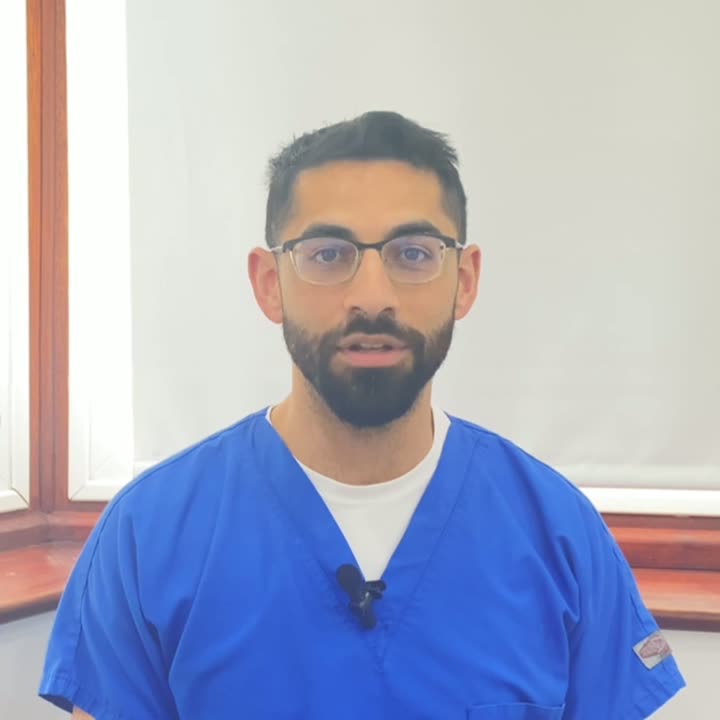
This video could not be loaded. Please try again later, or call the clinic on 020 8951 3794.
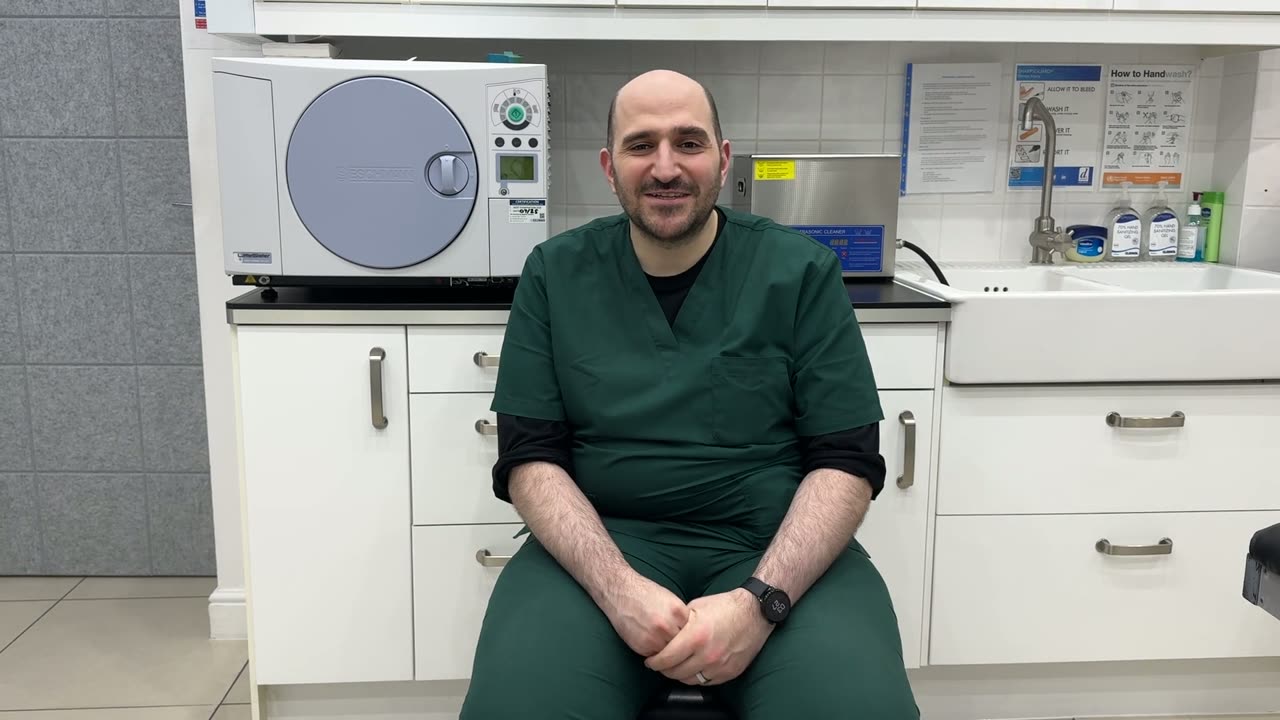
This video could not be loaded. Please try again later, or call the clinic on 020 8951 3794.
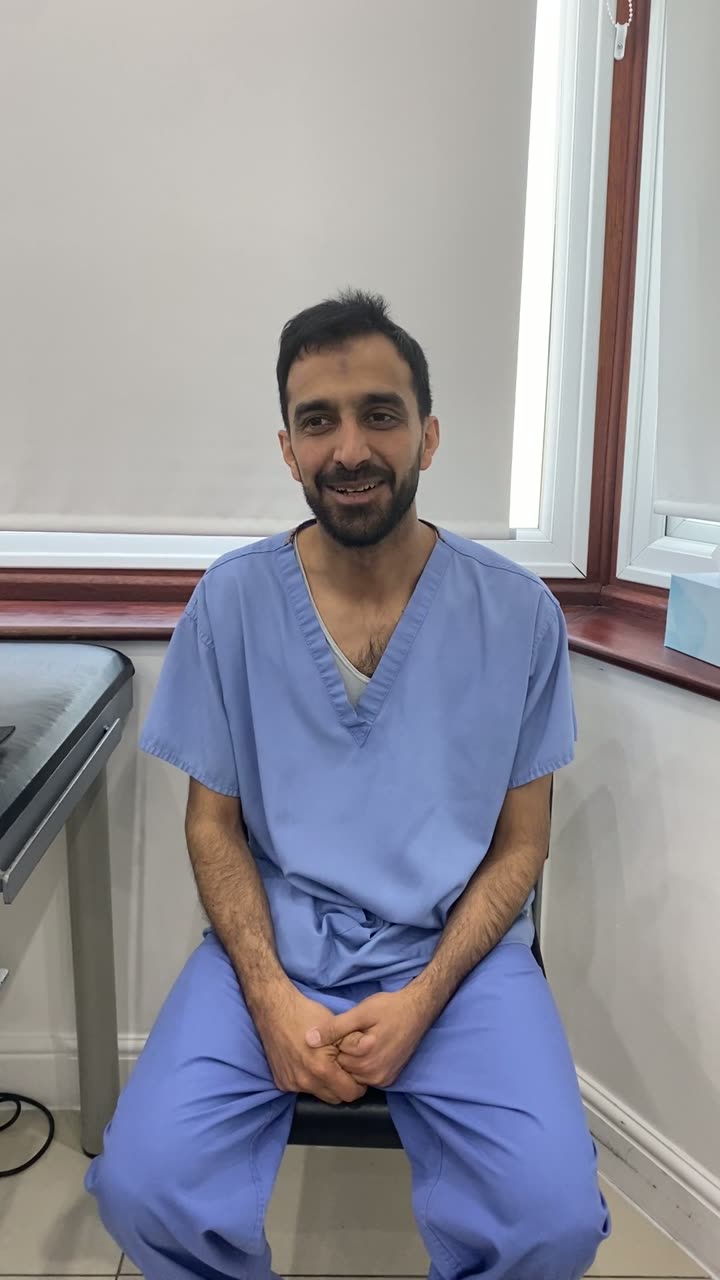
This video could not be loaded. Please try again later, or call the clinic on 020 8951 3794.
Frequently Asked Questions
How long is the circumcision training course?
The programme takes place over two intensive days.
Is the training one-to-one?
Yes. The programme is delivered one-to-one, allowing the teaching to be tailored to your experience and learning requirements.
Does the course include live circumcision?
The course includes observation of live circumcision procedures where suitable cases are scheduled and appropriate for teaching.
The exact case mix cannot be guaranteed in advance.
Which circumcision techniques are covered?
The programme covers Plastibell circumcision and forceps-guided circumcision, together with an overview of freehand circumcision where appropriate.
Does the course cover babies and adults?
Yes. The programme discusses circumcision across different age groups, including babies, children and adults.
Live case availability depends on the procedures scheduled during the training dates.
Is there practical training?
Yes. Practical training is carried out using circumcision mannequins and instruments and includes procedural technique and suturing.
Does the course cover circumcision complications?
Yes. Complication prevention, recognition and management form an important part of the programme.
Topics include bleeding, excessive or insufficient skin removal, scarring, constriction and buried penis.
Does the course cover setting up a circumcision clinic?
Yes. We discuss staffing, documentation, consent, equipment, instruments, suppliers, indemnity, emergency arrangements and other practical aspects of establishing a circumcision service.
Will I receive a certificate?
Yes. A certificate of completion is provided following completion of the 2-day programme.
Enquire About Circumcision Training
If you are interested in attending our 2-day one-to-one circumcision training programme, please contact Beverley Clinic.
When enquiring, it is helpful to tell us:
- Your full name
- Your professional role
- Your qualifications
- Where you currently work
- Your previous circumcision experience
- Circumcision techniques you already use, if applicable
- Areas you would particularly like to develop
- Your preferred training dates
This allows us to understand your experience and tailor the programme appropriately.
Ask about dates
If you would like to ask about training dates, you can either call us or send us an enquiry using the form. You can also send us an email enquiry or speak to us via Whatsapp.